
Cleavers: Heavy-duty Meat & Veggie Prep
- Free Shipping .
- Free Shipping .
- Free Shipping .
- Free Shipping .
- Free Shipping .
- Free Shipping .
- Free Shipping .
- Free Shipping .
- Free Shipping .
- Free Shipping .
- Free Shipping .
- Free Shipping .
- Free Shipping .
- Free Shipping .
- Free Shipping .
- Free Shipping .
- Free Shipping .
- Free Shipping .
- Free Shipping .
- Free Shipping .
Cleavers that make big prep jobs feel easier
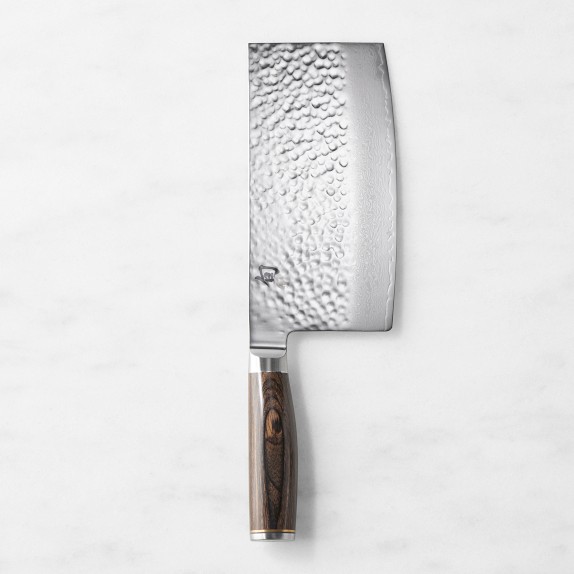
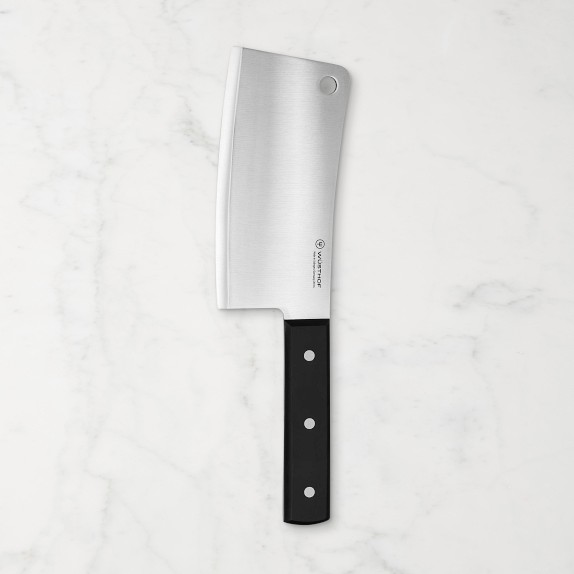
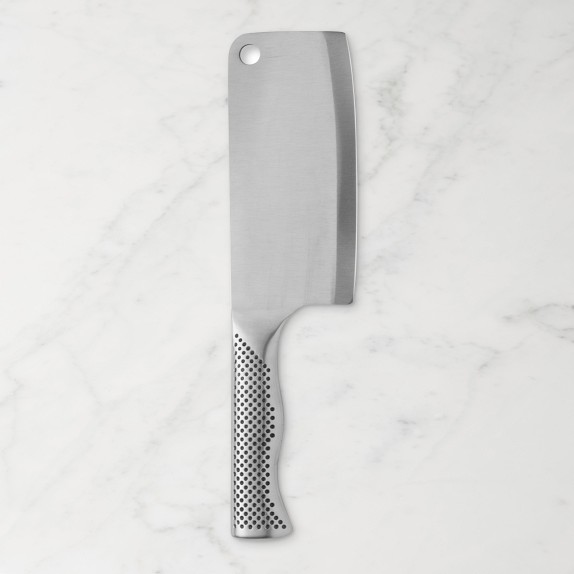
Cleavers are built for confident chopping, portioning, and fast prep when you want extra power. On this page you’ll find options suited to meat, poultry, and vegetable work, with shapes and weights that match different cutting styles.
From compact blades for controlled cuts to broader profiles for push-chopping, the right cleaver can streamline your everyday workflow.
Features that matter
- Blade shape signals purpose: meat cleavers favor thicker spines, while vegetable styles feel thinner.
- Length affects control; shorter blades are nimble, while longer blades cover more board space.
- Weight changes the feel; heavier tools power through tougher tasks, lighter ones reduce fatigue.
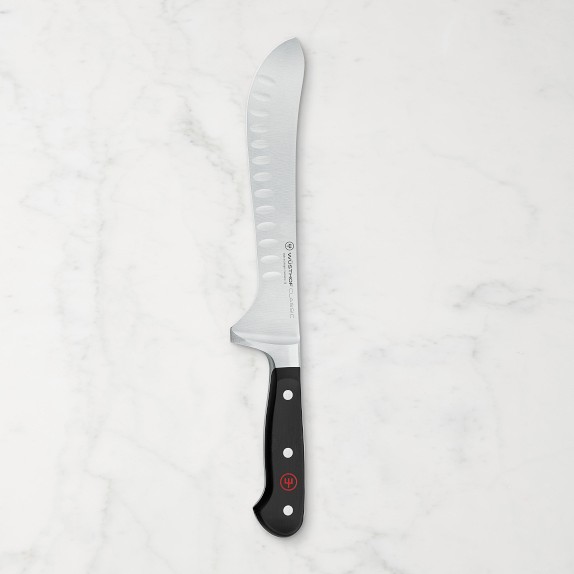
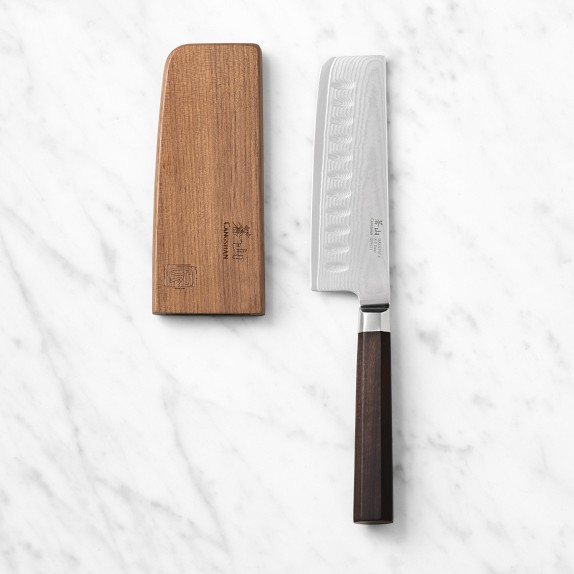
- Edge details vary, including hollow-ground or granton-style divots that help food release cleanly.
- Handle design matters for grip comfort, especially during repetitive chopping and scooping.
Where it works best
- Use a cleaver for splitting poultry joints, trimming ribs, and portioning larger cuts safely.
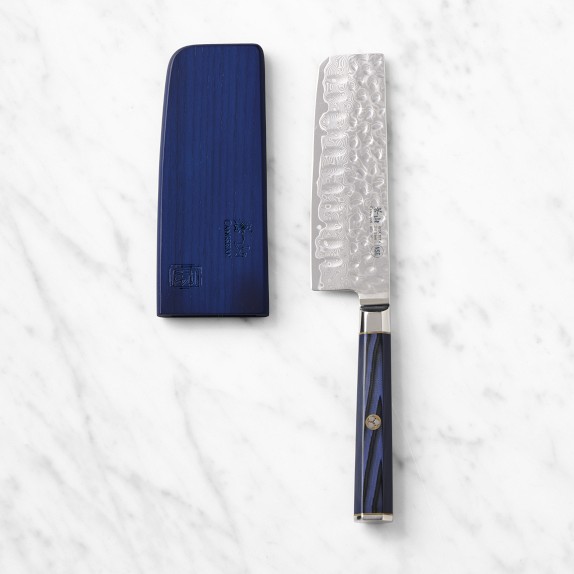
- Choose a vegetable cleaver or nakiri-style profile for rapid slicing of cabbage and root vegetables.
- Reach for a wide blade when you want an easy way to transfer chopped ingredients to the pan.
- Pair with blade guards or a knife roll when storing in drawers or traveling to classes.
How to choose
- If you break down meat often, prioritize a thicker spine and a sturdier, more substantial feel.
- If you prep produce daily, look for a flatter edge that supports clean push cuts.
- Match the handle to your grip; a secure hold improves accuracy and reduces wrist strain.
- Plan for care: hand-washing and careful drying protect the edge and the handle finish.
These cleavers focus on practical performance for chopping and prep, not multipurpose knife tasks. If you need a general everyday knife, consider pairing one with a chef’s knife or santoku.